Why Homeowners Trust Concrete Contractors in Norfolk County for Lasting Results
Getting Concrete Work Right in Norfolk County
Living in Norfolk County means dealing with freeze-thaw cycles, sandy soil in some areas, and heavy clay in others. Over the years I have seen plenty of concrete jobs that looked fine for a season or two, then cracked, shifted, or started pooling water. The difference between a driveway that lasts twenty years and one that needs patching in five often comes down to who pours it. That is why more homeowners are turning to concrete contractors in Norfolk County who know the local ground conditions and understand what it takes to get a residential concrete project to hold up through an Ontario winter.
I have worked on enough sites to see the same mistakes repeated: pouring on poorly compacted fill, using the wrong mix for a patio that gets heavy foot traffic, or skipping control joints because they "ruin the look." A few years back I helped a neighbour redo a front walk that had sunk nearly two inches because the original crew poured directly over topsoil. That kind of shortcut costs more in the long run. Good concrete contractors in Norfolk County will always start with a proper base, check the grading, and talk about reinforcement before they even order the truck. That is the kind of practical knowledge that saves money over time.
What Falls Under Residential Concrete Work
Most of the calls I hear about involve driveways, patios, foundations, and concrete repair. Each of these has its own set of challenges. A concrete driveway installation needs to handle vehicle loads, snow plow scraping, and the occasional delivery truck. Patio installation is more about drainage and finish, since you will be walking on it barefoot and setting furniture on it. Foundation repair is a whole different game, requiring careful excavation, proper forming, and often a conversation with the local building department about the Ontario Building Code.
Concrete contractors in Norfolk County who do residential work regularly will have experience with all of these. They also tend to carry the right insurance and use union-certified crews, which matters if something goes wrong or if the job site is tricky to access. I have seen union-certified crews show up with proper safety gear, clean tools, and a plan for cleanup. That level of professionalism is not guaranteed with every crew, so it is worth asking about when you get free quotes from different companies.
Driveways and Patios
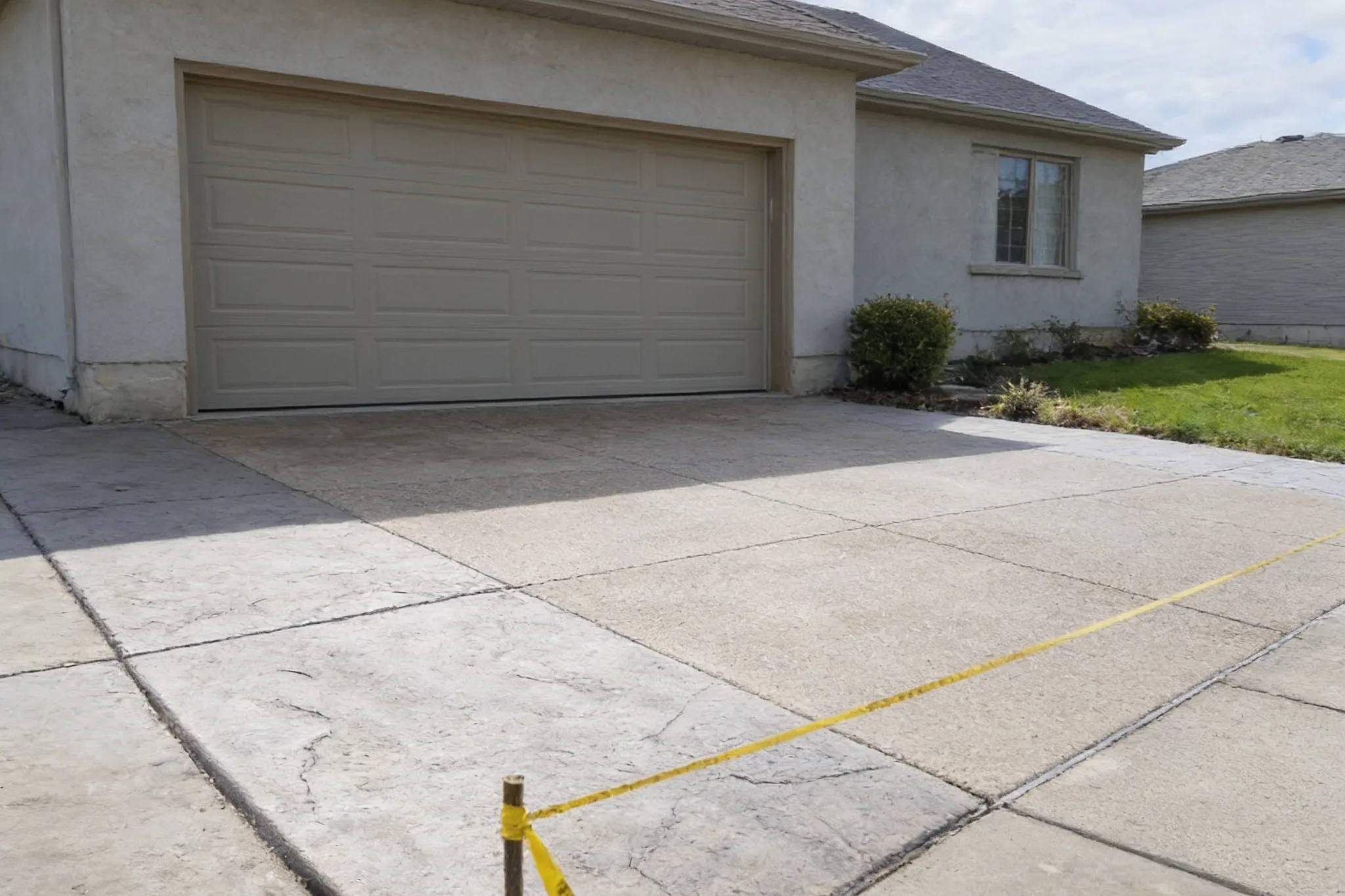
A concrete driveway installation usually involves removing the old surface, grading for drainage, adding a compacted gravel base, and then pouring and finishing the concrete. The finishing stage is where skill really shows. A good finisher knows when to start floating, how to edge, and how to apply a broom finish that gives traction without being rough on bare feet. I have watched crews rush the timing and end up with a surface that dusts and flakes within a couple of years. That is a waste of money and materials.
Patios are similar but often require more attention to the final texture and colour. Many homeowners want a smooth trowel finish or a light salt finish, both of which need precise timing. Concrete sealers can help protect the surface from stains and moisture, but they have to be applied after the concrete has fully cured, usually a month or more after pouring. I always recommend waiting before sealing, because applying too early can trap moisture and lead to peeling.
Foundations and Repair Work
Foundation repair is something most homeowners hope they never need, but it comes up more often than people expect. Settling soil, tree roots, and poor original construction can cause cracks and shifting. A proper foundation repair involves cutting out the damaged section, tying in new rebar, and matching the new concrete to the old as closely as possible. It is not a cosmetic fix. It is structural. That is why concrete contractors who do this kind of work need to understand load paths and the Ontario Building Code requirements for footings and walls.
Concrete repair on existing driveways or patios often involves patching spalled areas, filling cracks, or replacing a whole section. Sometimes a good repair can extend the life of a slab by another decade. Other times it is better to tear out and start over. A knowledgeable contractor will tell you which option makes more financial sense for your situation, rather than just taking the job they want.
How to Choose a Concrete Contractor
I have seen enough good and bad work to know that credentials matter, but so does experience with the specific kind of job you need. Asking for recent examples of similar work is fair. So is asking about the crew. Union-certified crews have usually gone through apprenticeship programs and have a consistent level of training. That does not guarantee perfection, but it does mean they have a baseline of knowledge that many non-union crews lack.
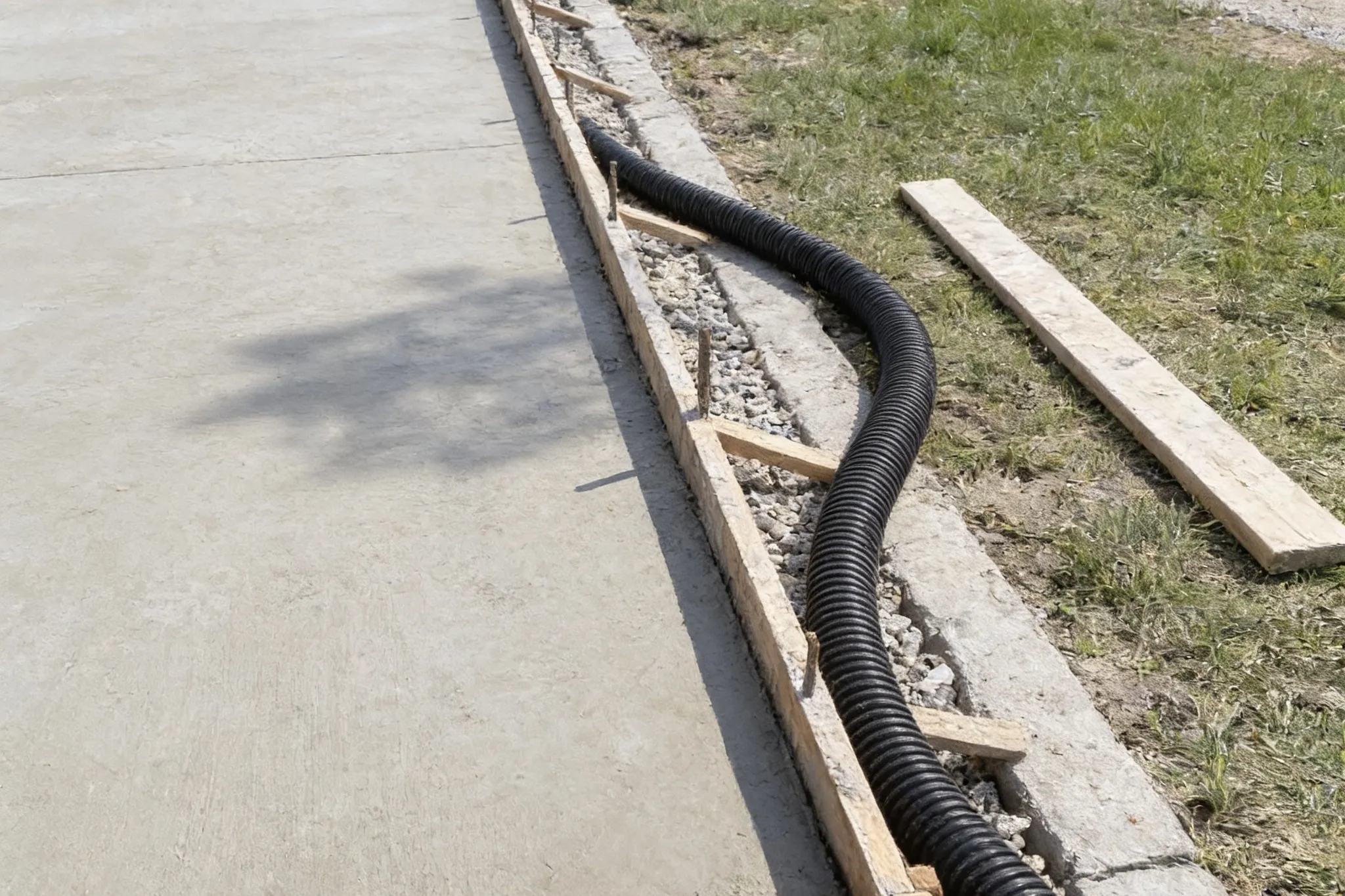
Another thing to consider is whether the contractor offers free quotes. A free quote should include a walkthrough of the site, a discussion of your needs, and a written estimate. Be wary of anyone who gives a price over the phone without seeing the site. Too many variables affect concrete work: access for the truck, slope of the ground, depth of excavation needed, and whether there are utilities to avoid.
Maintenance and Long-Term Care
Once the concrete is in place, some basic maintenance will keep it looking good. Concrete sealers should be reapplied every few years, especially on patios and driveways that get a lot of sun or salt. Cleaning with a mild detergent and a pressure washer once a year helps prevent stains from oil, leaves, and mildew. If you notice a small crack, filling it early with a flexible concrete caulk can stop water from getting underneath and freezing, which is the main cause of spalling in this climate.
Concrete maintenance is not difficult, but it does require some attention. I have seen homeowners ignore a hairline crack for a few winters and end up with a slab that needs full replacement. A little effort early on can save thousands later.
Why Local Knowledge Matters
Norfolk County has a mix of rural and suburban properties, and the soil conditions vary quite a bit. Sandy soils drain fast but need proper compaction. Clay soils hold water and heave when they freeze. A contractor who has worked in the area for years will know how to adjust the mix and the base preparation for these conditions. They will also know the local suppliers and which ready-mix plants deliver reliable material.
Local concrete services also tend to be more accountable. If a problem shows up next spring, a local company is easier to reach than one based two towns over. That peace of mind is worth something when you are investing in a new driveway, patio, or foundation.
Final Thoughts
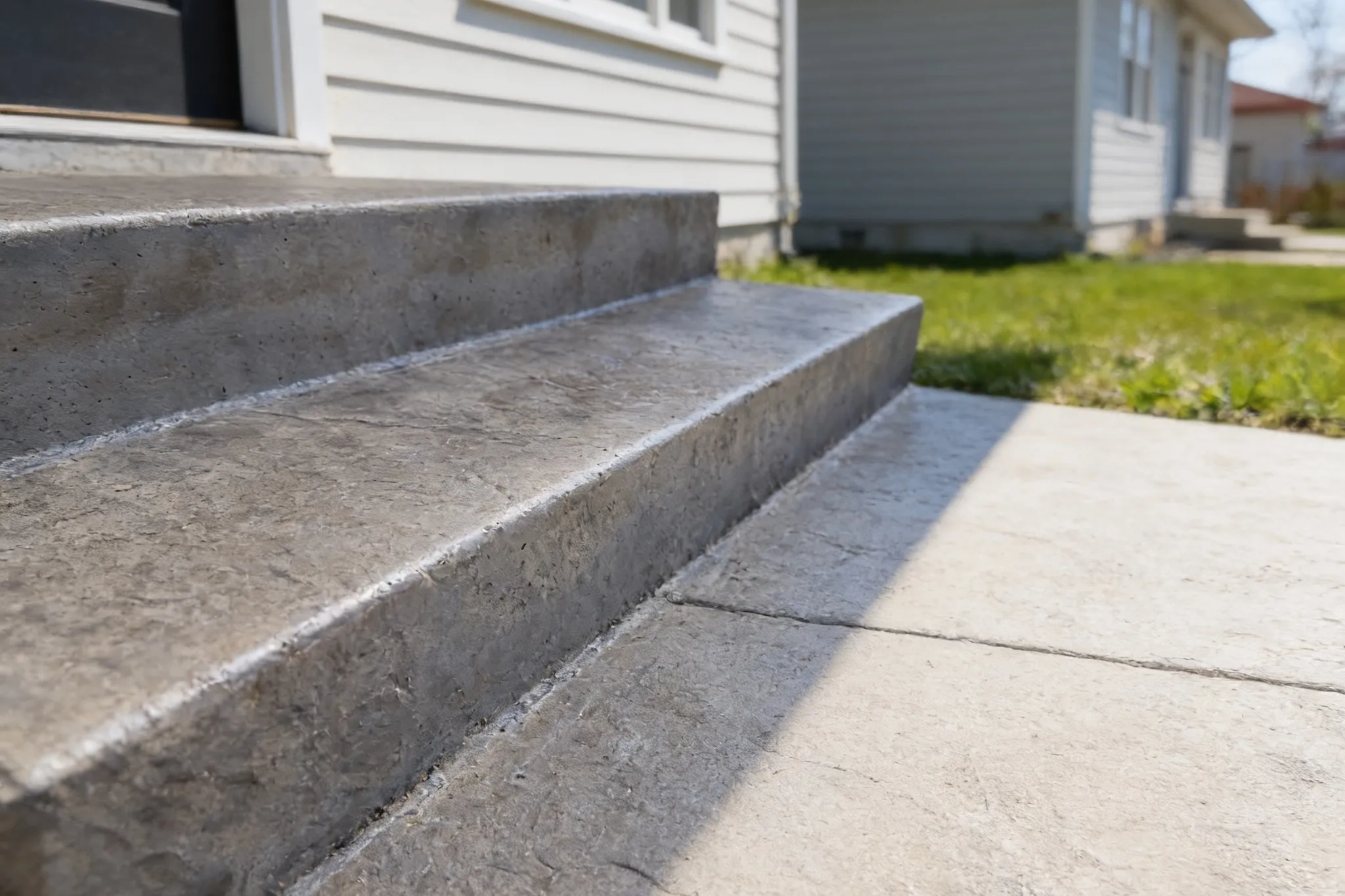
Concrete is a durable material, but it is only as good as the preparation and the crew that places it. Taking the time to research concrete contractors in Norfolk County, checking their references, and understanding what goes into a proper pour will pay off in the long run. Whether you need a concrete driveway installation, patio installation, foundation repair, or simple concrete repair, the basics are the same: good base, proper mix, skilled finishing, and realistic expectations about maintenance.
I have seen too many homeowners rush into a concrete project and regret it later. A few extra weeks of planning and a careful choice of contractor can make the difference between a surface that needs constant patching and one that stays solid for decades. That is the kind of result worth aiming for.